Tag Archives: agriculture

NABLOPOMO – Speed Blogging for Farmers – Sheep v Goats

Today’s NABLOPOMO challenge is to write the whole post in ten minutes.Perfect! I am running behind and only have a few minutes to get this done. So, how about a quick handy dandy guide to how to tell apart the sheep from the goats?

Goats and sheep are similar in many ways – cloven hooves at one end and a noise that sounds a bit like ‘maaaaahhhhh.’ Though, I think goats might be a bit more nasal and whiny than their sheepy cousins. You can milk both creatures, eat both creatures, and, if you have cashmere goats as we do, you can make sweaters from their winter coats, too (though, you use the shorn fleece from the sheep and the carefully combed out and collected under-fluff from the goats).

Lamb

Goats are more likely to climb over their fences to escape, sheep will get down on their knees and force their way under. Goats are the ones with beards and sheep are the ones with long, floppy tails. On most farms you won’t see those long tails because they are docked when the lambs are very young, but left unaltered, they are so long they nearly reach the ground. Goat tails are short and perky and tend to stand straight up.

At the nose end, the upper lips of goats are divided, whereas sheep lips are one continuous line. Goats tend to be browsers, nibbling on bushes, brambles, and bark (though they will certainly eat grass, too, particularly if there isn’t anything else). Sheep are grazers and will eat away at pasture until they reach bare ground. Rotating them onto fresh pasture before that happens gives the grass a chance to recover and helps reduce parasite loads (more on rotational grazing strategies on a day when I have more than ten minutes).
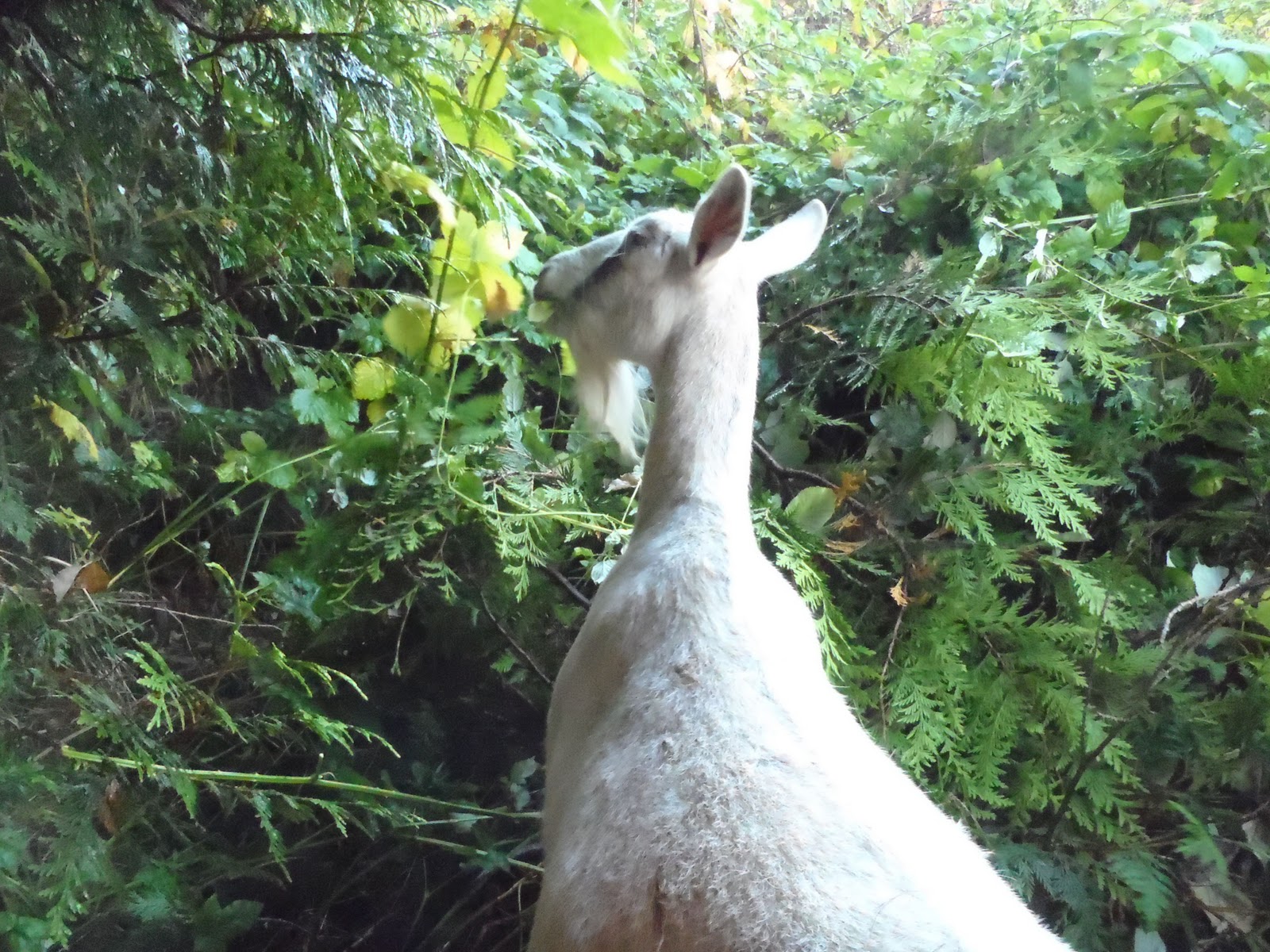
Goats make fantastic brush-clearers. Their favourite treats are prickly blackberries!

Goats make fantastic brush-clearers. Their favourite treats are prickly blackberries!

Goats would be the devious ones, pushy and greedy and quite fearless. Sheep tend to be more skittish, bunching together or fleeing wildly when threatened. My dogs, having been slammed into the side of the barn with a nasty head but once or twice after making faces at a goat are terrified of the caprines. The sheep, on the other hand, are terrified of the dogs.

Combing out the raw cashmere is one of the more tedious and time-consuming jobs to be done in the spring.

Combing out the raw cashmere is one of the more tedious and time-consuming jobs to be done in the spring.

Ding! Ding! Ding! My ten minutes are up!

No time to do the second part of the assignment (how do you feel about writing under such a tight deadline?). I’m breathing too hard and my fingers are quivering too much to type another word!

NABLOPOMO – Charging in for seconds! (and thirds… and fourths)

 A great flailing of gangly turkey wings and legs followed…

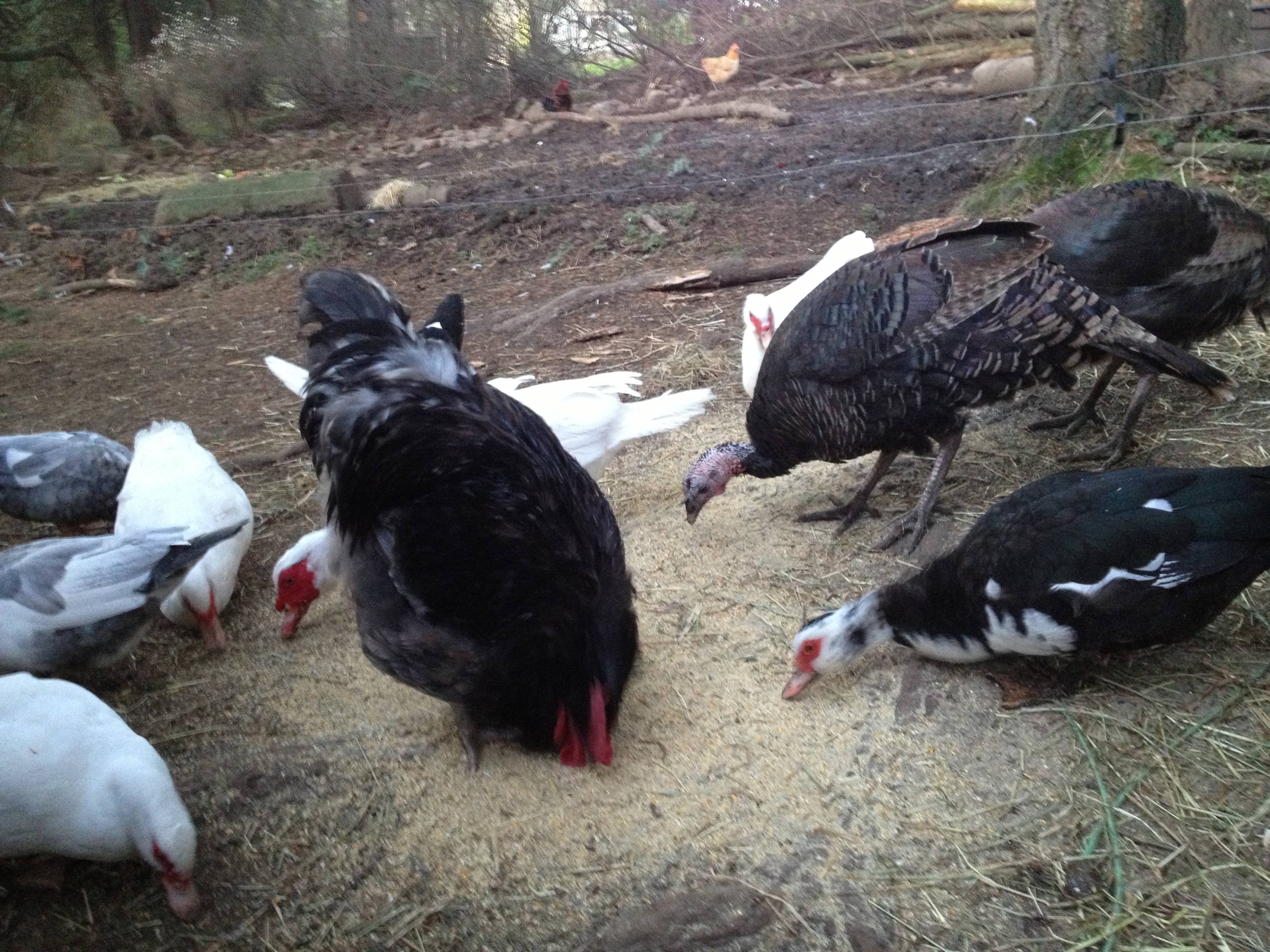
I don’t know why anyone thinks that calling someone a ‘bird brain’ is an insult. I have a lot of birds around (turkeys, ducks, chickens, and a cute little cockatiel up at the house) and I can tell you they know exactly which end is up.

Hen at Large

The farm birds range from a group of laying hens procured as pullets to fancy light Brahmas I raised here. We have a few spare roosters, a flock of fancy bantams, and some gorgeous Black Orpington hens. Our Muscovy ducks produce some lovely ducklings each year and the Ridley Bronze turkey flock is made up of a mix of those we grow out for holiday table birds and our breeding flock (the Ridley Bronze birds are a Canadian heritage breed that has been teetering on the edge of extinction for a number of years).

Most of the time, the birds do their own thing, roaming around hunting, pecking, posturing, and procreating. They never go far first thing in the morning because that’s when they get their major meal. Then, they scatter, scavenging lost morsels the hogs might have missed, making trouble in the hog water (if they are ducks), and sneaking off to lay eggs if they are chickens.

The turkeys have the worst case of wanderlust of all of them. They make their rounds to various neighbours (thank goodness the neighbours don’t mind too much!) and all over our property, gleefully hopping over fences and leaping from branch to branch in the trees. They know where the best bramble patches are (late, sweet blackberries are a favourite!), the plumpest seed heads on the tall grasses growing along the edges of the fields and ditches by the road, and have memorized every place where I might ever spill a few grains of feed on my rounds.

The ducks have also figured out what time the sheep get fed...

The ducks have also figured out what time the sheep get fed…

The turkeys are totally in synch with the hog feeding schedule.

The turkeys are totally in synch with the hog feeding schedule.

The ducks are particularly fond of the the manure mountain and pick through the recent deposits in search of red wigglers. The pile is full of worms turning it into rich compost, so the ducks have a field day feasting.

They also do a round of the areas of the vegetable garden I’ve opened up for them – they, along with a few of the chickens, are on weed-pulling and slug-annihilation detail. The ducks are also marvelous for trimming the grass paths between the beds, a task they eagerly look forward to each autumn.

Weed Patrol

No matter how busy they have been or what treats they have managed to find during the day, every free-ranging bird on the place knows when it’s three o’clock: time for seconds (thirds, and fourths)! I will head down the hill to do the afternoon hog feed and be met at the feed room door by a sea of bird beaks and beady eyes.  The turkeys and drakes are the pushiest, literally crashing over the stacks of feed buckets in their haste to beat me to the feed bin when I enter the barn.

Yesterday, a young Tom turkey launched himself into the air at the same moment I opened the lid of the plywood feed bin. A great flailing of gangly turkey wings and legs followed and there was much thrashing and indignant complaining (from both of us!) until I could haul the bird out of the bin and send him on his way.

The birds are such a menace, the only way to get them out from under foot is to throw a bit of feed down outside. As I was doing this today it occurred to me the birds have totally won this round of farmer vs livestock (why would I think otherwise? I’m still way behind in the game of ‘Put the Turkeys To Bed’). They have very efficiently trained me to start the hog and horse feeding rounds in the afternoon by tossing bonus grub to the birds!

Afternoon Tea

Doubt my word about bird intelligence? Watch this Ted talk about crows, the way they have adapted to life with humans, and their cool vending machine… Intelligence of Crows

Sigh. I don’t have a hope if my motley flocks start talking to their wild cousins.

Theme_Large_Nov_2013_0 nablopomo

Day 28 – Soil, Seed, and the ALR

I am officially too tired to write anything – but I made this commitment to the 30 day farm blog challenge and given that I have made it all the way to Day 28 without missing a blog entry, by golly I am not going to let a bit of weariness beat me!

SAVE ALR button

Just came back from the big Hands off the ALR (Agricultural Land Reserve) meeting in Sidney feeling simultaneously optimistic (close to 400 people turned up), disheartened (sometimes it seems like there are just so many fights to fight), and very, very tired (an evening meeting at the end of a long day of farming, writing, and running errands is… taxing).

I’ll write a more complete post on what’s going on with the ALR when I have a bit more time, but what strikes me is that the issues are actually pretty basic.

1. We all need to eat.

White Cheddar

2. To eat, we need farmland.

3. Lots of good farmland is either a) in the path of urban development or b) here in BC, at least, in the way of the oil and gas or mining industries

4. Where money is to be made, people tend not to think of future generations and what makes sense for the long term. Which is why protecting farmland through regulation makes sense, even if our current system could use some tweaking.

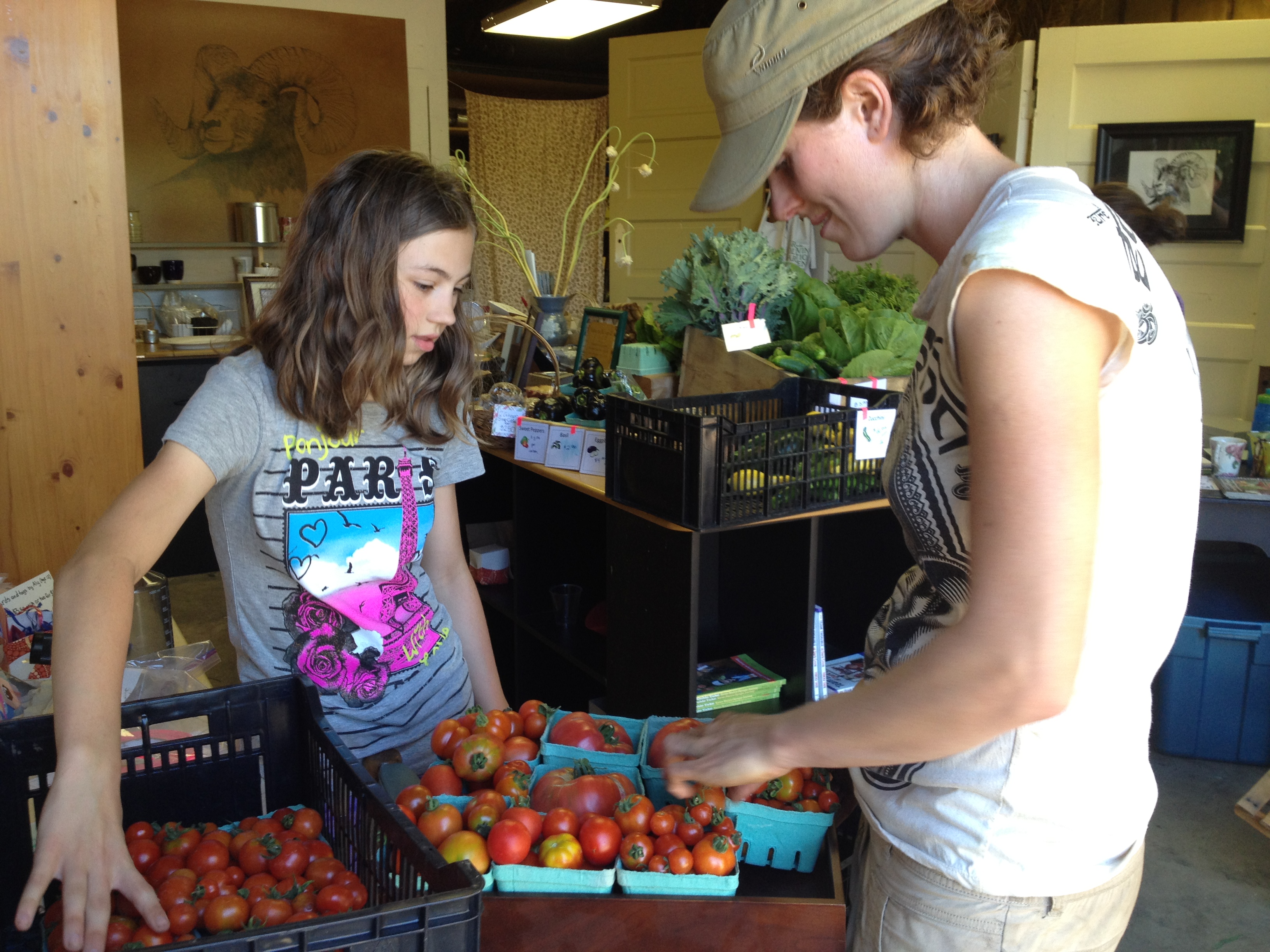
Tomatoes!

At first glance, it’s pretty straightforward – protect the farmland so we have something to farm so we can grow more food and improve our food security. However, if farmers cannot make a living on the land, then what good is protecting that farmland through legislation? (the reverse version of this observation is, if farmers were making a good living on the land there would be no need for an Agricultural Land Reserve or an ALC (Agricultural Land Commission) to oversee it.

And this is where the can really starts getting wormy. If we as a society decide we want cheap food more than we want local food, then there is very little political will to support programs that support farmers. Nor is there much concern about insisting on organic practices that build soil and leave farmland in better shape each season than the year before (Atina Diffley’s book does a good job of describing this process).

If people just want cheap, then who cares that the food has travelled a gazillion miles to get here using gas guzzling transportation systems and questionable farming and labour practices? Consumers and all levels of government need to get involved to help establish and maintain local markets strong and large enough to support local farmers. Governments need to be willing to step in when crops fail, markets falter, or infrastructure is required.

Farmers need to be able to take back control of their supply of seed. Seed security and what is going on there is worthy of a whole other blog post (actually, a whole other blog, but I only have one lifetime and this blog is more than enough to deal with). Similar issues are relevant to those of us who are desperately trying to preserve the genetics of traditional livestock breeds (yes, more posts on those issues coming soon, too).

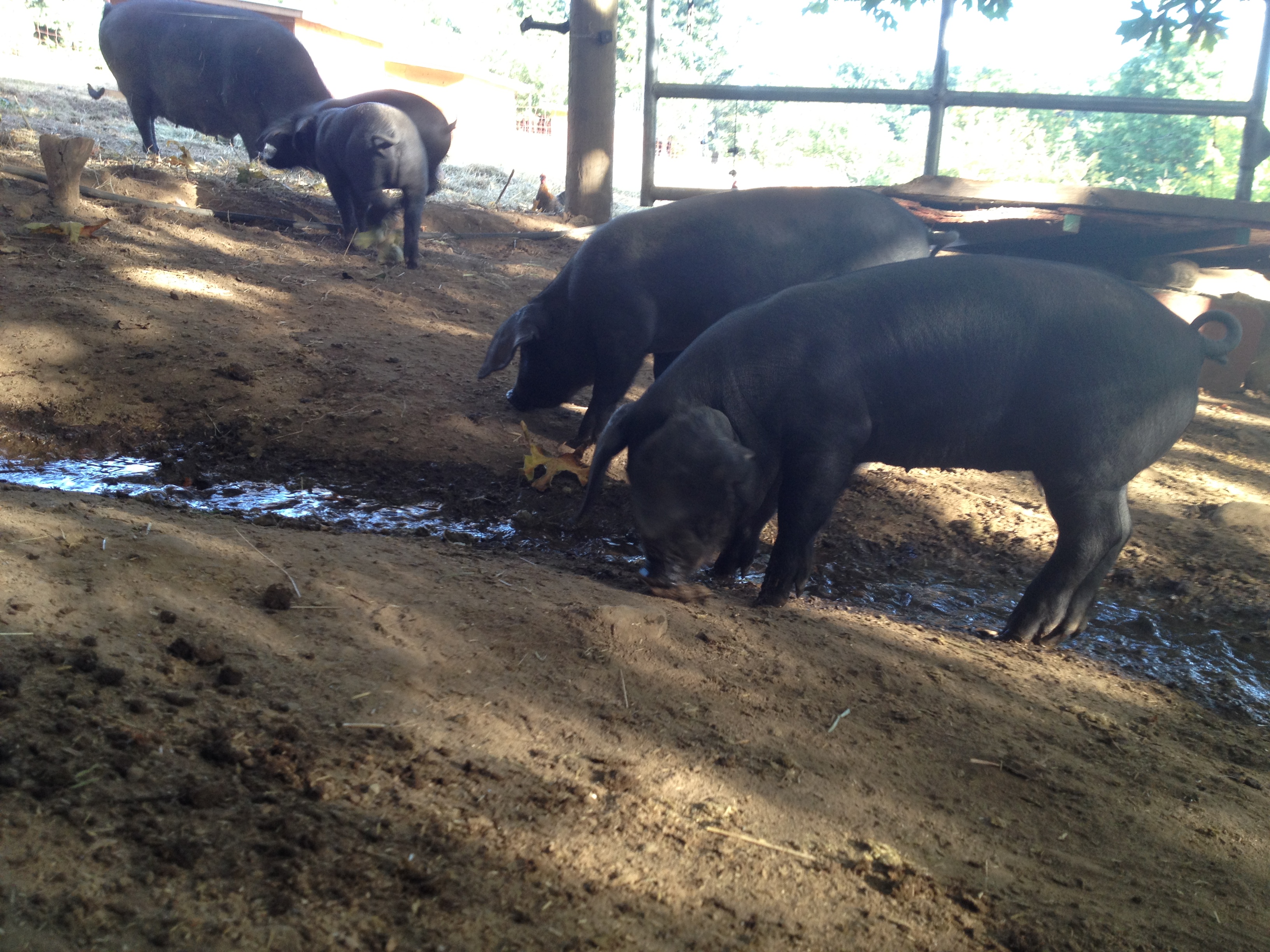
Large Black Hog piglets

Large Black Hog piglets

Meanwhile, here are some ways to connect with the saving our farms for the future movement, if you feel so inclined.

On Facebook: ALR Watch

Farmlands Trust Society

Farmland Defence League of BC

On the Web: Farmland Protection Coalition

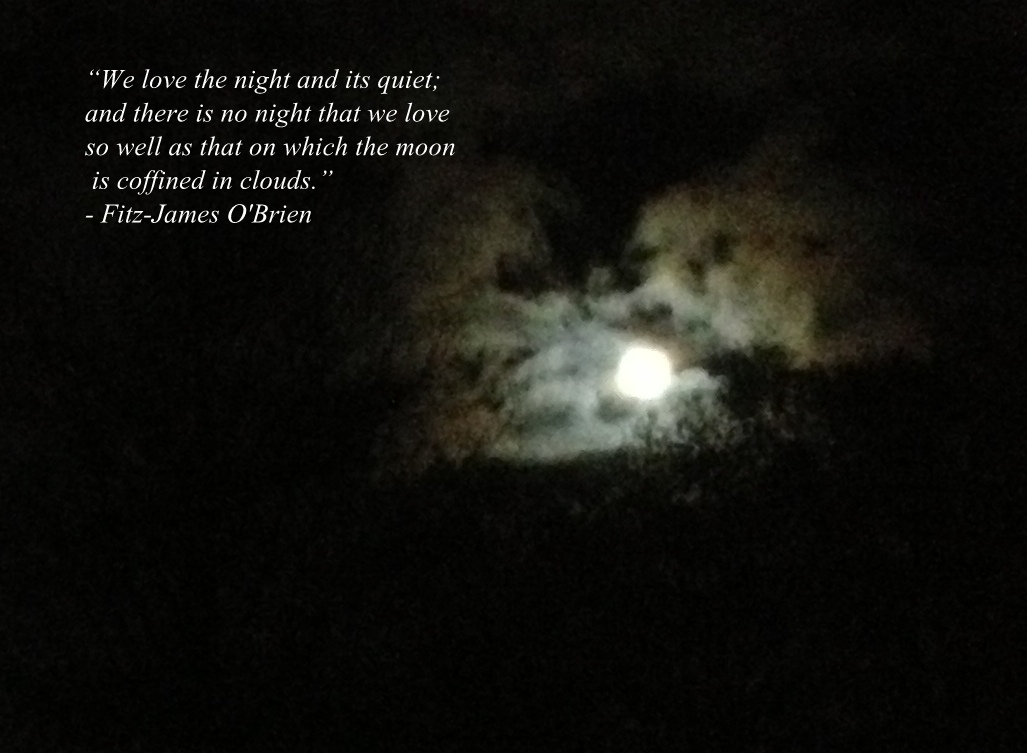
Day 18 – The Moon Coffined in Clouds

“We love the night and its quiet; and there is no night that we love so well as that on which the moon is coffined in clouds.”  ― Fitz-James O'Brien

“We love the night and its quiet; and there is no night that we love so well as that on which the moon is coffined in clouds.”
― Fitz-James O’Brien

When we first moved the horses here a dozen or so years ago it was a very strange sensation to make my way down to the barn in the pitch darkness. There were dips in the land I had never noticed in daylight and the short trip seemed to take three times as long after the lights were out. Strange crackles and sighs came from the trees and, particularlywhen the weather was awful, I thought of farmers in prairie blizzards who had to tie a rope from the house to the barn so they wouldn’t get blown off course and disappear forever.

Deer, who had not yet figured out that their regular highway was about to be interrupted by fences and horses and outbuildings and dogs and strange activities at all hours of the day and night would occasionally crash away through the brush, panicked by the sudden appearance of a human. I rushed, nervous at being out there in the dark all alone. I remembered childhood stories of wolves and bears and shapeless creatures who sucked souls and left young girls for dead and thought more than once of the statistic that Vancouver Island boasts the greatest number of cougar attacks in the world.

I always carried a flashlight, which morphed into a headlamp (much better to have one’s hands free while dealing with hay and gates and feeding the cat) and was happy to reach the barn where I could turn on the light.

These days, the tree spirits feel more like they are protecting me, rather than trying to eat me.

These days, the tree spirits feel more like they are protecting me, rather than trying to eat me.

Gradually, things changed. Over time the batteries in the headlamp faded and I forgot to replace them. I found myself in the dark, strolling down the hill as if I could see. Which, it turned out I could do perfectly well when the moon was high and the skies clear. I found I knew where we were in the moon phase without referring to a calendar. And somewhere along the way the nervousness completely disappeared.

Instead, the nightly walk down the hill became one of highlights of my daily routine. One night I reached up to stroke the cat on the gatepost only to discover it was a cat-sized barn owl. His heart-shaped face looked into mine as if to ask, “Were you seriously just about to touch me?” We stood like that for several long seconds before he lifted off and floated up to the roof of the goat barn, where he resumed his silent observation of my comings and goings.

I have sat in the orchard at midnight and sunk my teeth into a ripe pear sending a sticky sweet dribble of juice down my chin. With my back against a hay bale, I have listened to the patter of rain on the roof while the cat hopped into my lap for a snuggle. To my amazement, I discovered I could identify which of my three bay horses was which, even on a moonless night when I could barely make out my hand as it reached for the chain on the gate. I have paused to listen to the owls calling back and forth, the first frogs in spring, the goats munching their hay. The night is a different place for me now, one of calm and quiet where I don’t see all the many jobs that need to be done but instead savour a few moments of simple satisfaction as I find myself still here at the end of another day.

Interested in learning who else is participating in the 30 days agriculture blog-a-thon or the five things Holly Spangler will be talking about this month? Head over to Prairie Farmer to find out!

Day 16 – Search for Land Leads to Maypenny Farm

One of the problems with livestock (at least, livestock not raised intensively in big barns) is they need a fair amount of land for grazing. This is not a problem if you happen to live on a large farm, but my farm is micro mini – not even two acres, all on a hill, part of it covered with big trees. To get around this problem I lease several fields close by and make use of every square inch of space here on the homestead. None of the fields are huge and my flocks and herds are expanding, so as a result, I’ve been tossing and turning at night trying to figure out where I can lease more land that’s not too far away. And, this needs to happen sooner than later so I can move the piglets after I’ve weaned those I haven’t already sold.

I must say the Maypenny hens are a stylish bunch! They look a whole lot better prepared for the soggy weather than my girls...

I must say the Maypenny hens are a stylish bunch! They look a whole lot better prepared for the soggy weather than my girls…

Last year I had chatted with Maypenny Farm (well, not the farm – with Reay, a farmer) about possibly growing out pigs at their place, but there was a wedding planned and a need to keep the fields looking neat and tidy. I had pushed the Maypenny option out of my mind when Reay got in touch the other day and asked if I might still be interested. Faster than you can say ‘hen hats’ I raced over there to scope the place out to see if it might be suitable.

The field up for discussion is an old hayfield being encroached upon by brambles and scrub brush along one edge and bordered on the other side by trees. Not only would the piglets have a blast in there with plenty of forage and room to roam, the plan is to reclaim the field and extend the Maypenny market garden. Hogs are excellent for turning over the soil, enriching it as they go. Add a couple of goats to the equation and the Maypenny farmers can just sit back and watch the livestock prepare that field ready for whatever they may wish to do with it next.

The two big issues are: Water and fencing. The hogs are well trained to two-strand electric and are, therefore, relatively easy to contain. Goats are a different matter, but using the existing sheep fencing as a starting point, some repairs and new stock wire would provide a decent barrier while they are on clean-up duty. We have portable shelters that can be moved to the field without much trouble, which would keep everyone snug and dry in foul weather (unless Maypenny has hats that would fit the hogs…) When it came to discussing the water situation, the conversation proceeded in a very Canadian manner.

“What about water?”

“There’s a stream here – ” Reay said, pointing to one long side of the field. “And the beavers have moved next door so this field isn’t flooding any more.”

“Beavers?”

“They had a dam down there and the water backed up. You can see the half-chewed trees where they chopped them down.”

Beavers? Seriously? On southern Vancouver Island? I had heard rumours that beavers had returned to Beaver Lake, a local landmark I had assumed was so-named because some old fur trader was homesick for a place in the wilderness where actual beavers lived. Maybe the lake actually came by its name honestly. And, perhaps the rumours about the return of the beavers are true after all! Not that Maypenny’s neighbour is happy about the return of the furry, flat-tailed loggers. They are a menace when it comes to clogging up streams and ditches and their industrious plugging up of drainage systems can cause awful problems for farmers’ fields.

I’m not too worried – if the beavers decide to move back to Maypenny we’ll cope with the fallout. Mostly, standing there in the rain calculating how much fencing I’m going to need, I was delirious with joy that a good field is available, not too far away, with readily available water and lots of forage for both goats and hogs. I was so excited, in fact, I totally forgot to take any photos! By my next visit I’m sure I will be calmer and the full realization of how much work it will take to get things secure before we can move animals in will have hit me. Anybody feel like coming over for a fencing party? Maybe you’ll get to see a beaver!

Interested in learning who else is participating in the 30 days agriculture blog-a-thon or the five things Holly Spangler will be talking about this month? Head over to Prairie Farmer to find out!